

Experience Inishturk
Ireland’s Hidden
Gem on the Wild Atlantic Way
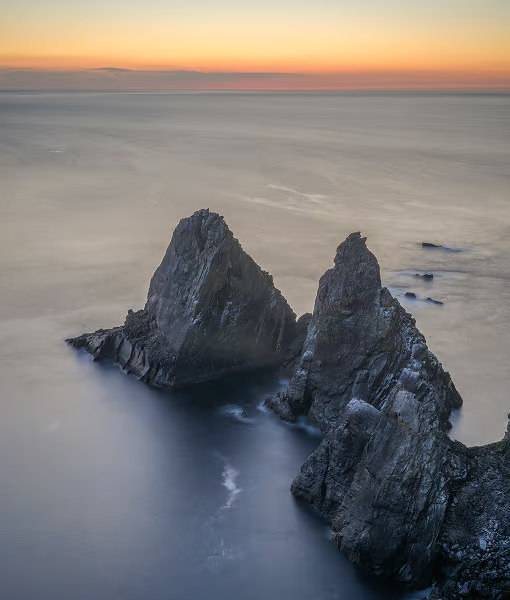
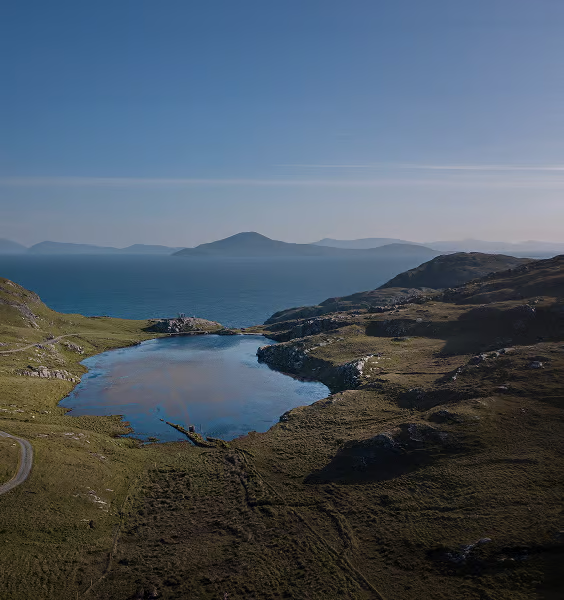
Ireland’s most remote inhabited island where towering cliffs meet the wild Atlantic and timeless community meets a modern spirit. Just 14.5 km off the Mayo coast, this is your gateway to tranquillity, creativity, and connection.
At the Heart of It All
Inishturk Community Club & Restaurant
Our community hub offers more than good food and great views — it’s where laughter, stories, and music flow freely.
Living on Inishturk
Community, connection and everyday island life
Life on Inishturk is shaped by cooperation, shared responsibility and a strong sense of place. With a year-round population of around 60 people, the island functions through community-led initiatives, volunteering and collective care for shared spaces and services. Explore what it means to live on Inishturk today—from local news and island projects to volunteering opportunities and community initiatives.
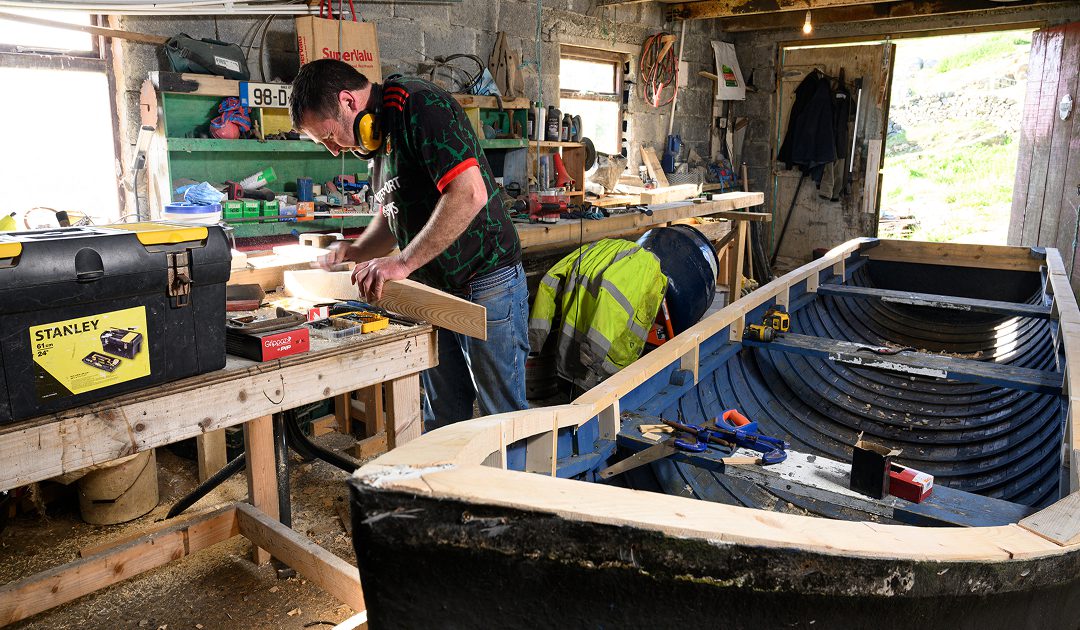
Our Island Future
A shared vision for
a resilient island
Inishturk’s future is shaped by careful, long-term thinking rooted in community values, environmental responsibility and respect for scale. As a small island within the wider Clew Bay ecosystem, Inishturk recognises that its wellbeing depends on balancing social, economic and environmental needs.
Inishturk Island’s strategic vision is of regeneration and sustainability. It includes plans to support biodiversity, protect land and marine habitats, strengthen community infrastructure, encourage low-impact tourism and create opportunities that allow people—particularly younger generations—to continue living on the island.
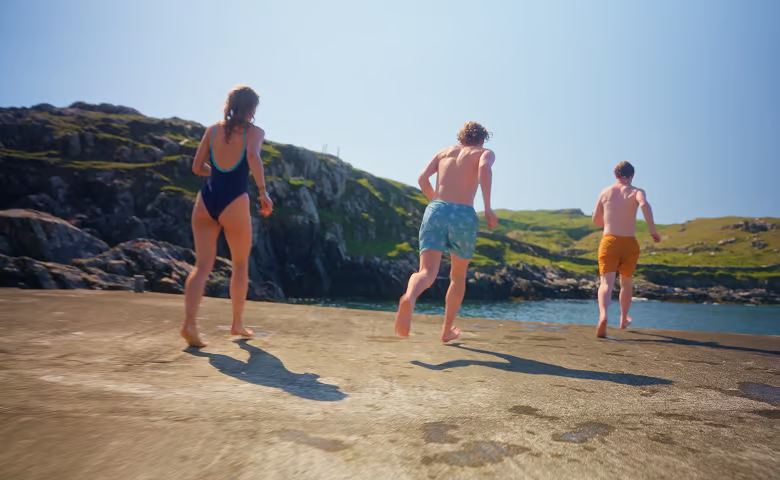
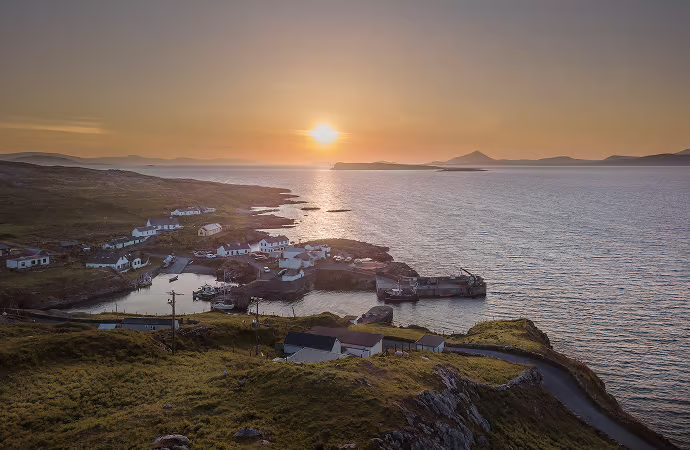
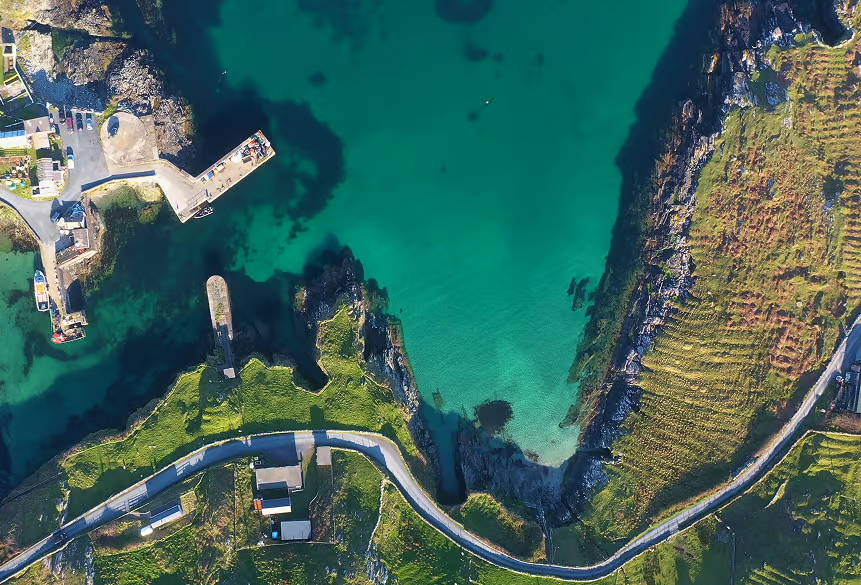
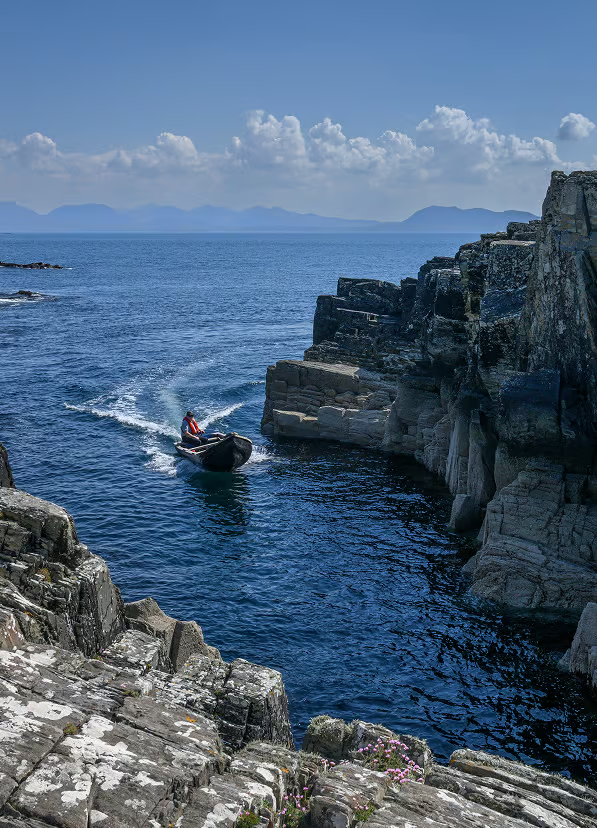
A serene haven of rugged beauty along the Wild Atlantic Way.
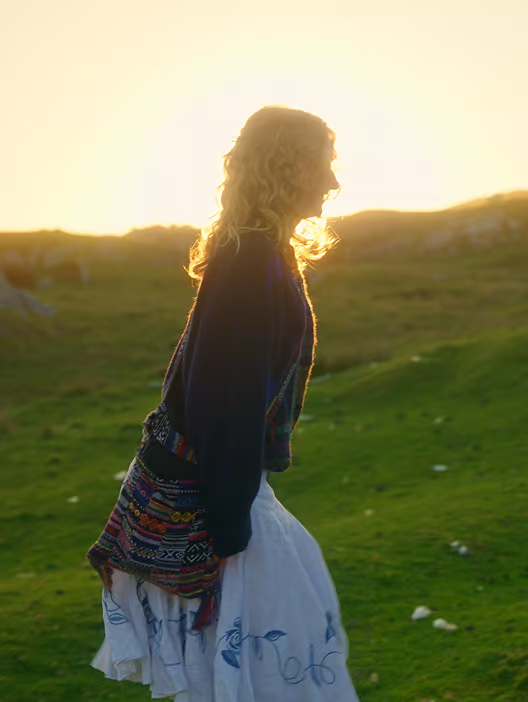
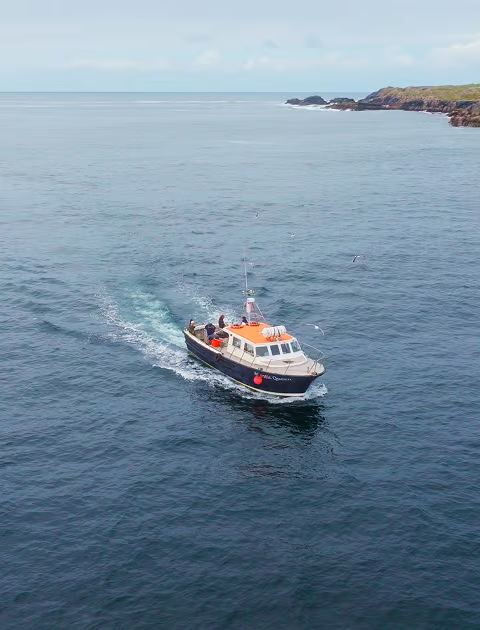
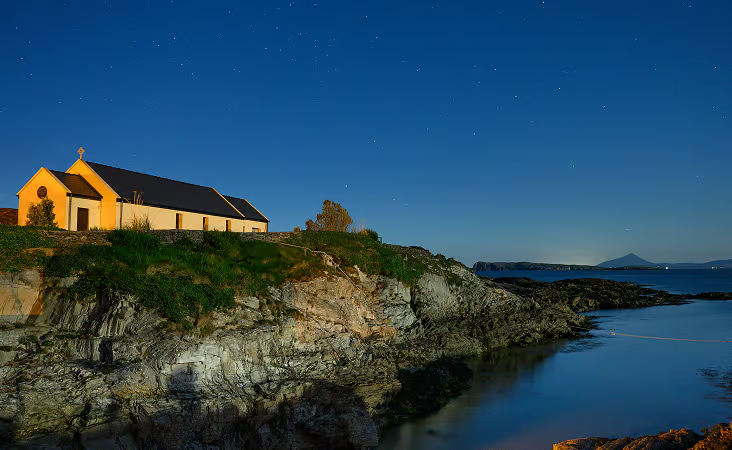
Latest Island News & Stories
Behind the Scenes on the Edge of the Atlantic
Explore our latest news for updates, travel tips, event highlights, and seasonal reflections.